


Legacy NFT artists are the people and projects whose work still shapes how digital art is made, shown, and collected years after the mint, not the ones with the loudest price chart. Behind the Bluechips is NFT Culture’s running guide to them: CryptoPunks and the free-claim origin of the PFP, Art Blocks and long-form generative art, XCOPY’s glitch language, long-running practices like Hackatao and Sam Spratt, idea-first systems from Jack Butcher, and brand worlds like Azuki. Each entry below explains why the work lasted and links to our deeper coverage.
How we decide what counts as a bluechip
“Bluechip” usually gets used as a market word. We use it as a culture word. A subject earns a place in this guide when at least two of these are true:
- A durable cultural footprint. A visual language, meme, or collector mythology that people recognize across market cycles.
- Continuity led by the artist or community. A body of work or stewardship that outlasted one mint season.
- Reach beyond crypto. Museum or gallery shows, books, games, trading cards, fashion, film, manga, or serious critical writing.
- Infrastructure legacy. Platforms or primitives that changed how crypto art is made or collected. Platforms close; the lessons stay.
- A lesson for today. The story says something useful to creators and collectors in 2026.
What doesn’t qualify on its own: a fast sellout, a “next bluechip” list, or a floor price. You won’t find floor or sales figures in this guide. When a number matters, our individual stories cite where it came from.
CryptoPunks: the free-claim experiment that became the template
Larva Labs’ Matt Hall and John Watkinson launched CryptoPunks in June 2017: 10,000 algorithmically generated 24×24-pixel characters that anyone with an Ethereum wallet could claim for free, before the term “NFT” was in common use. The Punks became the model for the profile-picture collection. Their stewardship history is part of the legacy too. Yuga Labs acquired the IP in 2022, and in May 2025 the nonprofit Infinite Node Foundation (NODE) took over the full IP with a preservation and museum-partnership mission.

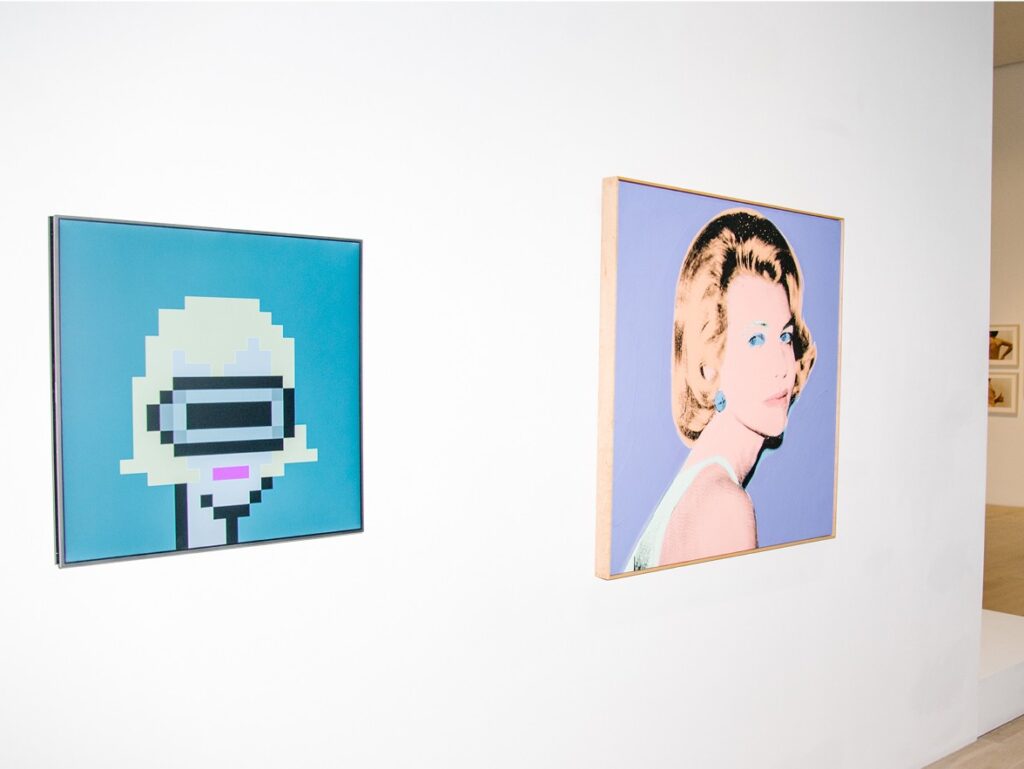
Why it lasts: the Punks showed that a simple, open system could carry identity, community, and art history all at once. For how the 2021 boom shifted what people expect from digital ownership, read our post-mortem on the 2021 NFT empire.
Art Blocks and Snowfro: generative art as a protocol
Erick Calderon (Snowfro) launched Art Blocks on November 27, 2020, with his own Chromie Squiggle as Project #0. The idea was to put the algorithm on-chain and let the collector’s mint transaction produce the artwork, so the code, not the artist, picks each output. That model turned long-form generative art into a scene. Tyler Hobbs’ Fidenza, a fixed edition of 999 released on June 11, 2021, remains one of its reference points.

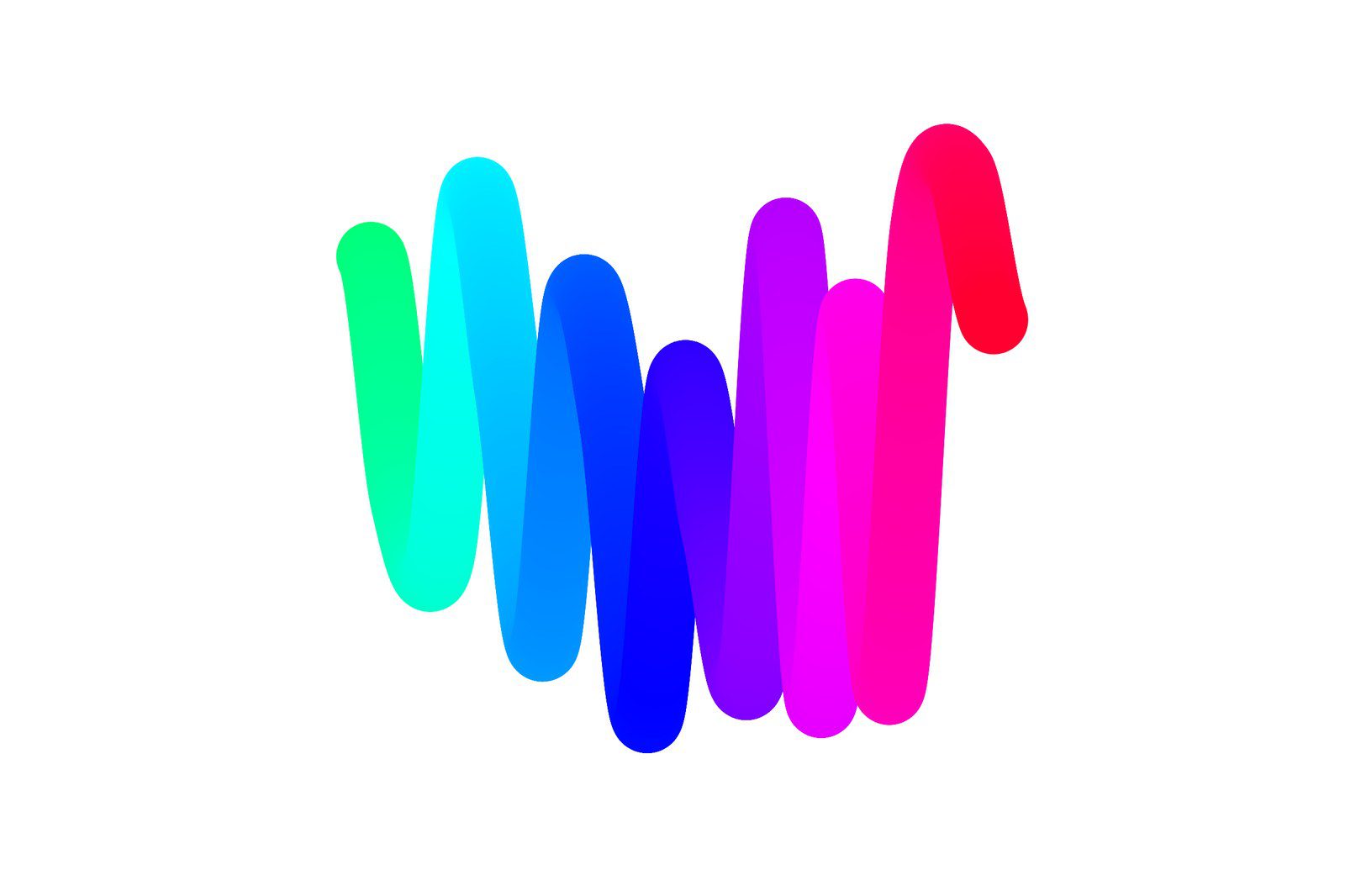
Why it lasts: Art Blocks built a gathering as well as a platform. Start with our interview with Snowfro on the future of Art Blocks and the final Chromie Squiggle. Then see how the culture shows up in person in our Art Blocks Marfa Weekend 2026 guide, and how institutions are honoring it in Rhizome’s 30th-anniversary program, which honored Calderon.

XCOPY: a visual language native to crypto
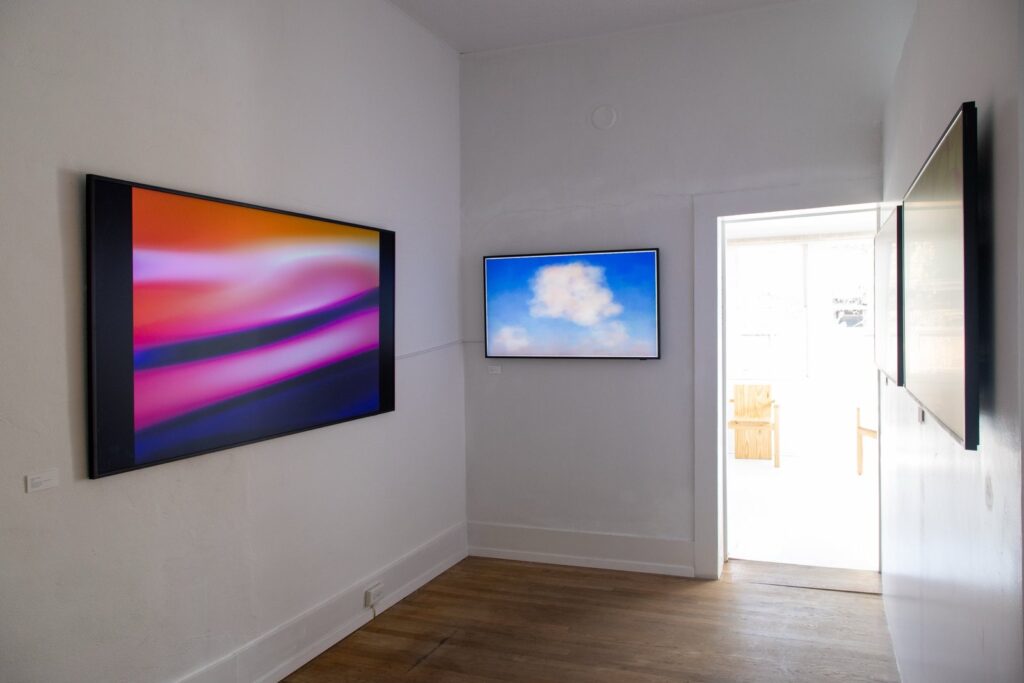
XCOPY, the anonymous London-based artist known for flashing, glitched loops about death, dystopia, and apathy, was among the first artists to mint on SuperRare in 2018. His “Right-click and Save As guy” (released December 6, 2018) took aim at the familiar skeptic’s line about digital art and became one of the movement’s defining memes.
Why it lasts: you can recognize an XCOPY from across the room, and the work keeps showing up in conversations about what crypto art looks like. Go deeper in XCOPY: The Definitive NFT Artist Shaping Digital Culture.
Long-running practices: Hackatao and Sam Spratt
Hackatao is the duo of Sergio Scalet and Nadia Squarci, who began working together in Milan in 2007 with their hand-made Podmork sculptures. According to the artists, their first NFT, “Girl Next Door,” was tokenized on SuperRare in 2018, and they have kept working through every boom and bust since. Read their view of the market in Beyond the Hype: Hackatao’s Insights.
Sam Spratt makes painting-forward work that collectors read almost like literature. His Luci saga turned collectors into participants: The Monument Game invited them into the story, and the Masks of Luci expanded it into 613 masks. Start with Sam Spratt: Elevating Art Through NFTs.
Jack Butcher: when the system is the art
Jack Butcher, the founder of Visualize Value, makes work where the rules are the artwork: editions you can burn, combine, and transform. Checks made that collector participation part of the culture. His newest system, Credits, opened Statement assembly on October 1, 2026: holders burn 80 Credits to make one Statement, with Statements capped at 1,526.
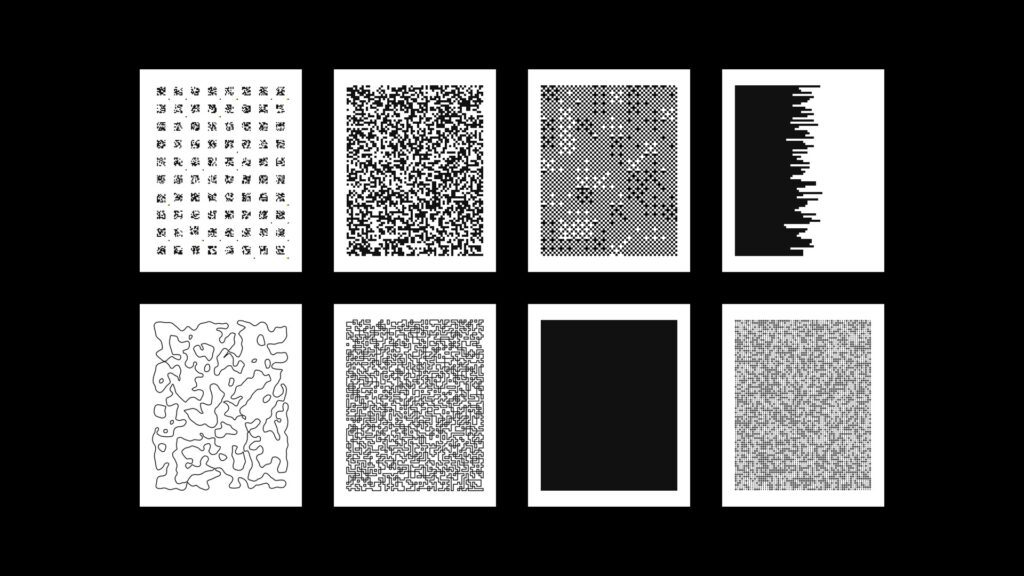
Why it lasts: collectors don’t just own the work; they make choices that change it. Read Jack Butcher Credits → Statements: What Collectors Need to Know and our earlier piece on VV Checks.
From PFP to brand world: Azuki and artist-led 10Ks
Chiru Labs’ Azuki started as an anime-styled PFP collection in January 2022 and has since grown into a world you can enter in several ways. That now includes a free monthly AZUKI manga by former Overwatch character art director Arnold Tsang, and a physical trading card game, Azuki TCG, whose first set is Gates Awakened.


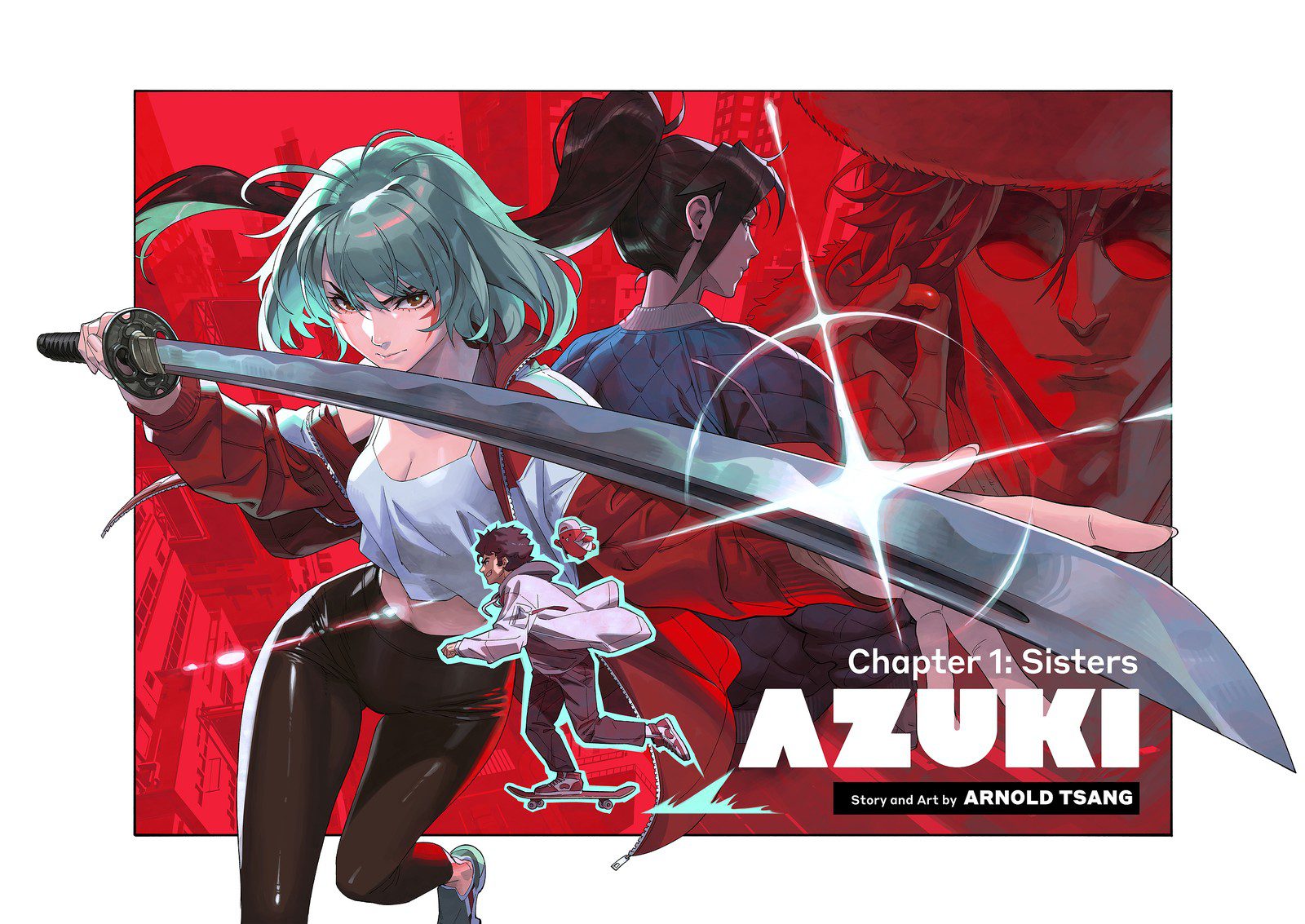
Read Azuki Beyond the PFP: Manga, TCG, and Brand Worlds and Azuki TCG: Can a Web3 Anime Brand Win Over the Local Card Shop? For how the game itself plays at the table, our sister site Card Core has a full Azuki TCG breakdown.
Artist-led 10Ks are the other side of the PFP story. When a.c.k. (Alpha Centauri Kid) released Argonauts, the people who showed up were mostly fans of his art. Read Argonauts sells out in minutes. For a more personal turn from an artist with a distinctive visual language, see Defaced’s “A Series of Headaches”.
Venues that shaped the canon
Bluechip culture also lives in the venues that showed it. Foundation and Nifty Gateway both helped define the 2021 era, and both have since wound down. Read Foundation Winds Down and Bidding Farewell to Nifty Gateway. SuperRare is still a home for curated 1/1 work and long-horizon pieces like Dalos’s seven-year memory series. See SuperRare Unfinished Past.
How to read a legacy NFT project in 2026
- Start with primary sources. Use the artist’s site, the project’s official pages, and museum pages. Treat aggregators and screenshots as leads to check, not proof.
- Confirm identity, not price. A contract or marketplace listing tells you the work is real. It doesn’t tell you the work matters.
- Look at who looks after it. Who maintains the work, the IP, or the platform it lives on, and what happens if that platform closes?
- Follow the work outside crypto. Exhibitions, books, games, and critical writing are stronger signals than a sellout.
- Ask what it teaches. If a legacy has nothing to say to creators working today, it’s nostalgia.
New Behind the Bluechips stories are added to this guide as they publish. Browse every entry in the Behind the Bluechips archive, or step back further with a brief history of NFT art.
Sources
- Larva Labs — CryptoPunks; Infinite Node Foundation — CryptoPunks
- Art Blocks — About; Art Blocks — Fidenza by Tyler Hobbs
- XCOPY — Right-click and Save As guy; Curated — Collecting the Artist: XCOPY
- Hackatao — Bio
- Sam Spratt Archive — Masks of Luci
- jack.art — Credits
- Azuki Labs via PR Newswire — AZUKI manga launch