


Mudwater BAYC trading cards are Yuga Labs’ new physical-and-digital card set for Bored Ape Yacht Club, and if you hold an ape, you already have packs waiting. Each Bored Ape can claim 10 packs and each Mutant Ape can claim 2, with 10 cards per pack, and the claim window closes on January 19, 2027 at 00:00 UTC (7 p.m. ET on January 18). You claim on Ethereum and the packs land as NFTs in a Solana wallet, where you can rip them open onchain. The catch most holders miss: the unclaimed packs belong to the ape, not your wallet, so selling or re-delegating an ape before you claim hands the packs to someone else.
Below is how the claim actually works according to the official Mudwater site and the launch thread from Yuga Labs’ Quit (@0xQuit), who walked holders through it on X, plus what the set says about where the BAYC brand is heading.
What Mudwater is
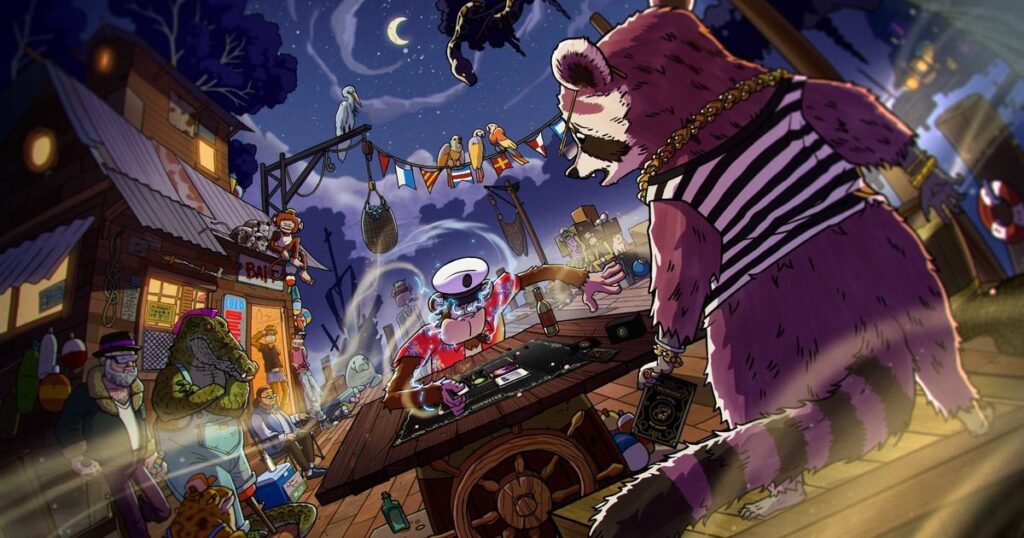
Yuga Labs announced on October 17, 2026 that “Mudwater is live,” calling it “a new physical and digital BAYC collection on Solana.” The first set, Mudwater: Swamp Origins, is framed as a card game “played deep in the Everglades,” and the BAYC account described it as “a way of collecting the art of BAYC physically, but rooted in blockchain,” printed by @ocapgames.
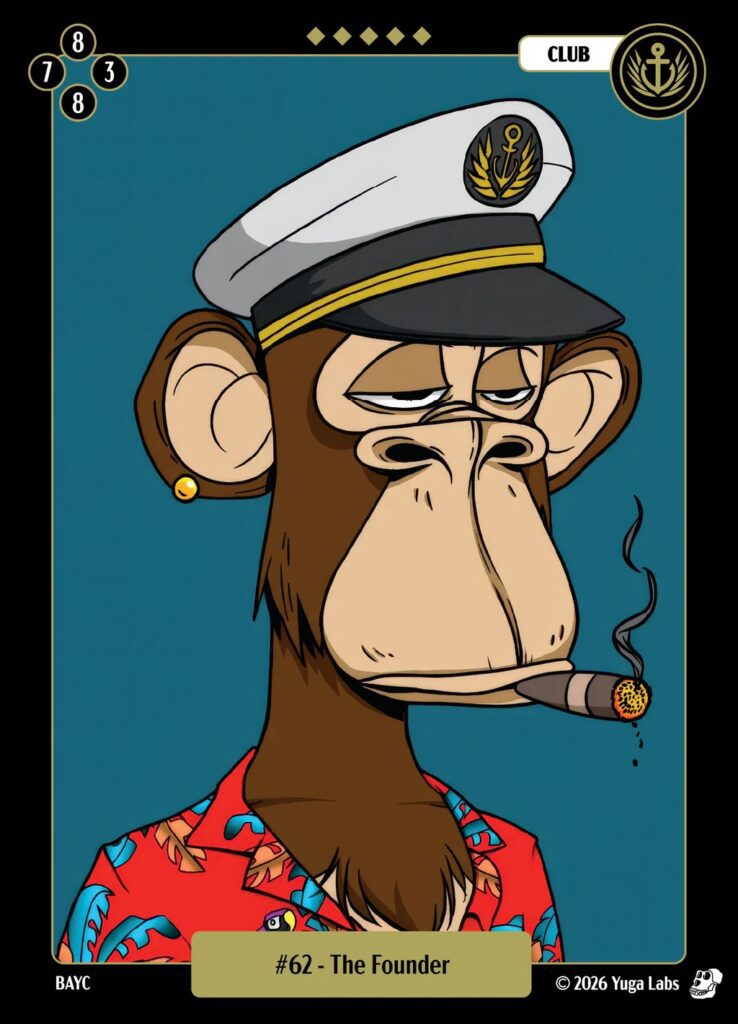
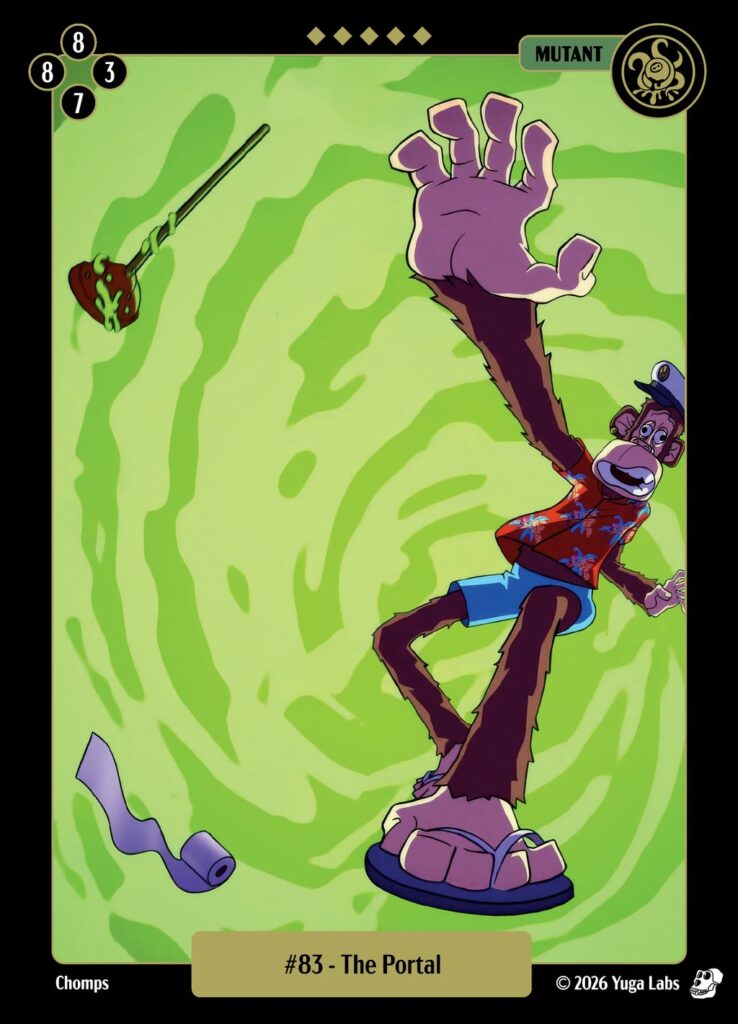
Per the Mudwater site, the set has 120 card designs across four types (Club, Mutant, Cosmic and Arcana), 2.4 million cards in total including foiled and serialized editions, and serialized “cracked ice” 1/1s at the top. Supply is fixed at 10,000 boxes of 24 packs each, or 240,000 packs, and boxes stack into cases of 10. ApeFest attendees also received physical promo packs on the way in, according to the BAYC account.

How to claim your Mudwater BAYC packs
The claim is not a normal airdrop. Quit’s launch thread explains that each ape was given a “totem” token that lives in a new ERC-6551 token-bound account tied to the ape, not in your wallet. Here is the flow, step by step:
- Go to the official claim page only: mudwater.bayc.com/claim. A launch with a deadline and a lot of new wallets is prime territory for fake claim sites.
- Connect the Ethereum wallet that holds the ape, or its exclusive delegate (see below). Don’t panic if OpenSea doesn’t show a totem in your wallet. Quit pointed out that it isn’t supposed to, because the totem sits in the ape’s token-bound account.
- Keep a little ETH for gas. The claim happens on Ethereum; the ripping happens on Solana, Quit noted.
- Pick the Solana wallet that should receive the packs. Claiming burns the totem and sends a Chainlink CCIP message to Solana. Quit says delivery takes about 20 minutes, so give it time before assuming something broke.
- Rip when you’re ready. On the Mudwater rip page, opening a pack burns it and sends its ten cards to your wallet.
Every pack you claim also counts as an entry for a serialized booster pack. Quit says winners are drawn in rounds, with the first winners picked about 30 days in.
The delegate and resale catches
This is where Mudwater differs from most holder drops, and where people will lose packs without realizing it.
- Unclaimed packs travel with the ape. “Sell the ape or re-delegate your ape, and the unclaimed packs go with it,” Quit wrote. If you’re selling an ape, claim first. If you’re buying one, an unclaimed ape still carries its packs until the deadline.
- Only a shadow delegation works. If you don’t want to connect a cold wallet, Quit says to delegate at delegate.xyz with the “Shadow Delegate” toggle on, which creates an exclusive delegation the totem respects. Ordinary delegations don’t count, because people hand those out too freely and packs could be “stolen.”
- Once you shadow delegate, your vault can’t claim. Quit confirmed that only one wallet is eligible, the exclusive delegate. If more than one delegation qualifies, he says the most specific (token, then contract, then wallet) wins, and among ties the most recent.
- Rescued apes still get their packs. Some apes are still sitting in the rescue wallet from the PaymentProcessorV2 exploit. Quit has been asking owners to come reclaim them, and when a holder asked whether they could still claim Mudwater after recovering their Mutants, he answered “yes whenever you claim them back.” If that’s you, recover the ape before January 18.

Physical, digital, and what “backed” means
Mudwater runs one shared supply instead of separate physical and digital print runs. “Every digital pack is backed by a physical pack,” Quit wrote, and “every rip is paired to a sequential physical rip, handled by professionals in a secure room.” In other words, if you pull a holofoil onchain, that same holofoil was pulled from a real pack and is cataloged in the warehouse.
The trade-off is that you can hold the card or the token, not both. The Mudwater site says you can redeem a token to have the printed card mailed to you, or send a printed card in to be verified and tokenized. Quit confirmed that redeeming burns the digital version, so the token supply always stays backed. At launch he also said combining packs into boxes, and boxes into cases, was coming “soon,” so check the site before planning around sealed-box tokens.
On fees, the site lists a 2.5% reflection on every Mudwater NFT trade that buys APE and pays it to holders of tokenized packs, boxes and cases in proportion to what they hold, plus a separate 2.5% royalty. Quit’s thread describes the same thing as 5% onchain royalties with half used to buy APE, paid out weekly. That design rewards keeping product sealed, which is worth knowing before you rip everything on day one.
Who else gets Mudwater packs
Apes aren’t the only route in. The site’s box distribution chart lists 71.34% of boxes (7,134 boxes) as a community airdrop, covering packs to every ape plus a box for every ape at ApeFest; 5.66% for community onboarding; 3% for partner communities such as Otherside holders and ApeChain and EVM communities; and 20% (2,000 boxes) as a commercial distribution reserve. The BAYC account said the first ApeChain wave is allocated to more than 50 NFT communities, and booster boxes were also sold at the BAYC pop-up on October 18.
What Mudwater means for BAYC culture
For years the strongest argument for a blue-chip PFP was that the art became a brand. Mudwater tests the next step: turning that brand into an object people rip, trade and play with across a kitchen table, not just a profile picture. It follows a clear pattern this year, from Azuki’s push into the card shop to exchanges like Coinbase turning pack rips into a ritual. Collectors coming from sports and Pokémon will recognize the mechanics; Card Core’s breakdown of what to watch in tokenized trading cards is a useful lens from that side.
What makes Mudwater different is that the entitlement is welded to the ape itself. The packs live with the NFT, follow it through a sale, and respect delegation rules that only longtime holders tend to understand. That rewards people who actually hold and maintain their apes, and it quietly punishes anyone who treats a claim like a quick airdrop. Early marketplace numbers will swing all over the place, so the more useful thing to watch is whether players show up for the game and whether physical redemption works smoothly at scale. For more on the company behind the apes, browse our Yuga Labs coverage.
Mudwater BAYC quick answers
- How many packs do I get? 10 per Bored Ape, 2 per Mutant Ape, 10 cards per pack.
- When is the deadline? Before January 19, 2027, 00:00 UTC, which is 7 p.m. ET on January 18.
- Which chain? You claim on Ethereum; packs and cards are Solana NFTs.
- Can I claim from a hot wallet? Yes, if you set it as a shadow (exclusive) delegate at delegate.xyz.
- What if I sell my ape first? The unclaimed packs go to the buyer.